Services · Buy-to-let sourcing
Buy-to-let sourcing — Glasgow and across the UK.
Single-lets yielding 8–12% gross, sold with vacant possession — the same stock we have bought for ourselves since 2011.
We have bought 38 single-lets for our own portfolio, most of them around Glasgow, and we buy wherever the numbers work — the criteria travel, the location does not have to. Sourcing for clients uses the same underwriting, the same process and the same handover as our own purchases; the only difference is whose name goes on the title.
Properties are underwritten on yield, rental demand and refinance value before you see them. They are sold with vacant possession, so there is no inherited tenancy and no legacy rent below market: you set the terms from the first tenant.
Typical numbers on a recent purchase: £87,500 to £101,000 in, £850 to £950 a month out, 15–22% return on the cash invested at 75% loan-to-value. The full figures for two of ours are on the case-study pages below.
What's included
- Sourced through agents, auctions and direct approaches — wherever the right property is
- Stress-tested on yield, refinance and rental demand before it reaches you
- A full pack on each property: photographs, figures, comparables and location
- Legal introduction, lender connection and negotiation support through to completion
- Letting and management afterwards if you want it — we run our own this way
- Fee of £5,000 per property; nothing payable until we have shown you a property
Where we work
We buy across the UK, wherever the numbers work. The criteria travel; the location does not have to.
Examples
What it looks like done
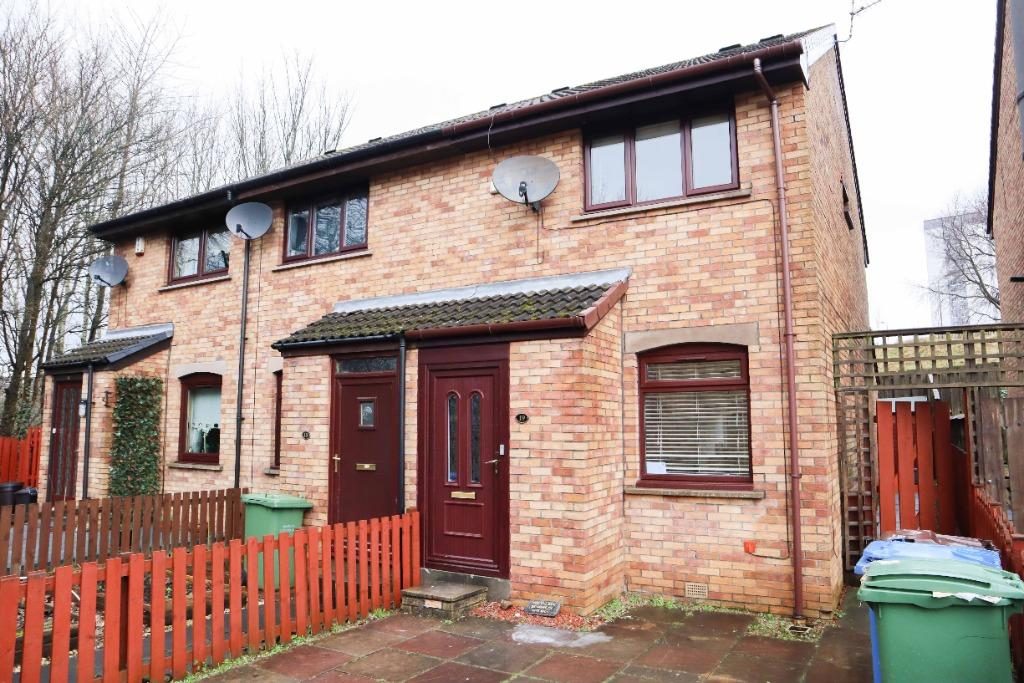
- Purchased
- £108,500
- Value today
- £150,000
- Net per month
- £471
- Return on capital
- 17.1%
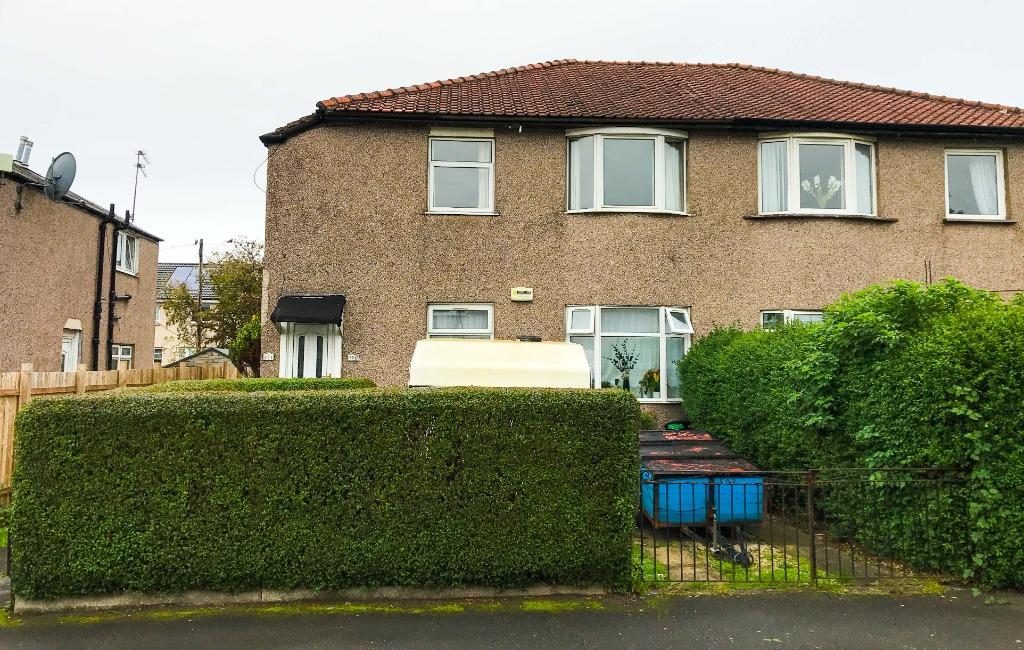
- Purchased
- £72,000
- Value today
- £125,000
- Net per month
- £796
- Capital growth
- +74%
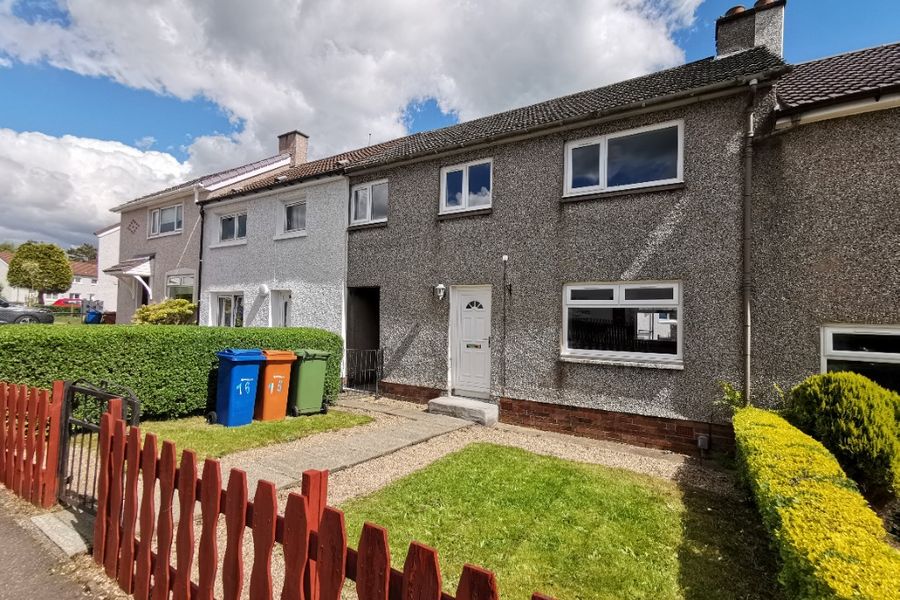
- Purchased
- £95,000
- Value today
- £140,000
- Money in
- £29,050
- Return on money in
- 24.5%
Questions
The things people ask
Do I own the property outright?
Yes. The property is purchased in your name or your company's name, with your solicitor and your lender. We source it and manage the project, but the title is yours and we never hold your money. There's no joint venture or equity share unless that's specifically what you've come to us for.
How much capital do I need?
Two different numbers matter here — what you need to start, and what stays in the deal once it's finished.
To start an HMO conversion — £60,000 to £100,000 using bridging, covering the deposit, fees and the first stage of the refurbishment. Buying outright instead means funding the whole project, typically £370,000 to £410,000.
Left in after refinance — across our recent conversions, between £10,500 and £42,550, and on one the refinance returned more than the full project cost. The commercial valuation on a completed HMO is what releases your capital, which is the point of the model.
Buy-to-let — £25,000 to £40,000 per property including deposit, fees and sourcing fee. There's no refurbishment or refinance stage, so that figure is both what you put in and what stays in.
What are your fees?
HMO conversions — £15,000 sourcing plus £15,000 project management. £5,000 of the sourcing fee is payable upfront to engage us to search against your brief; the remaining £10,000 falls due at completion.
Buy-to-let — £5,000 per property. Nothing is payable until we've shown you a property. A £2,500 reservation fee holds it while you carry out due diligence and comes off the total, with the balance due at completion.
How long before it produces income?
An HMO conversion runs about seven months from accepted offer to tenanted and refinanced — roughly two months to complete the purchase, fourteen weeks on site, then letting and refinance.
A buy-to-let is quicker, since it's bought with vacant possession and can be let as soon as it completes.
Do you manage it afterwards?
If you want us to. We've managed our own portfolio in-house since 2011 and take on third-party stock — tenant find, rent collection, compliance, certification and maintenance. You're under no obligation to use us.
Can I invest through a company?
Yes, and it is what we do ourselves — every property we hold sits in a limited company. It is what we would suggest for most investors.
The reason is interest relief. A company deducts mortgage interest in full before tax, where an individual's relief is capped at a basic-rate credit — which leaves higher-rate taxpayers paying tax on income they have not kept. On a leveraged HMO that difference compounds every year. Profit you retain and reinvest is not taxed personally at all, and shareholdings divide ownership cleanly on joint ventures.
The trade-offs: company borrowing costs slightly more, the additional dwellings stamp duty surcharge applies from the first property, and drawing profit out personally is taxed again. It suits building a portfolio more than taking an income from one deal. Your accountant should confirm what fits your position.
Looking for a buy-to-let?
Tell us your budget, where you would consider, and what you want it to return. If we have something that fits, you will see the full pack before you commit to anything.
Get in touch