Services · HMO conversions
HMO conversions, sourced and delivered end to end.
A three-bed terrace becomes six self-contained, income-producing units — refinanced on commercial yield and handed over tenanted.
We have delivered five of these on our own account, in Derby and Warrington so far. Each one took a tired three-bed house at £160,000 to £200,000, spent around £160,000 converting it into five studios and an en-suite room, and refinanced at £450,000 to £485,000 on the rent roll.
On the best of them, Elaine Street in Warrington, the refinance returned the whole project cost. Across the five, the money left in after refinance ran from nothing to £42,550, against £1,800 to £2,100 a month net after mortgage, bills and management.
For clients we run exactly the same process, in whichever town the numbers stack up. We source to your brief, cost the works from a priced schedule, manage architect, builder, building control and licensing, and hand over let and refinanced. You buy in your own name; we never hold title or money.
What's included
- Sourcing against your brief, planning or permitted development, and full costings
- Architect, builder and building control managed on your behalf
- HMO licensing, certification and compliance handled
- Weekly progress updates with photographs and spend tracked against plan
- Furnished, photographed, let and refinanced — income from the first month
- Fees of £15,000 sourcing and £15,000 project management, £5,000 of it upfront
Where we work
We source and deliver conversions across the UK. The model works in any town with the right rents and the right house prices, and we will tell you plainly whether yours is one of them.
Examples
What it looks like done
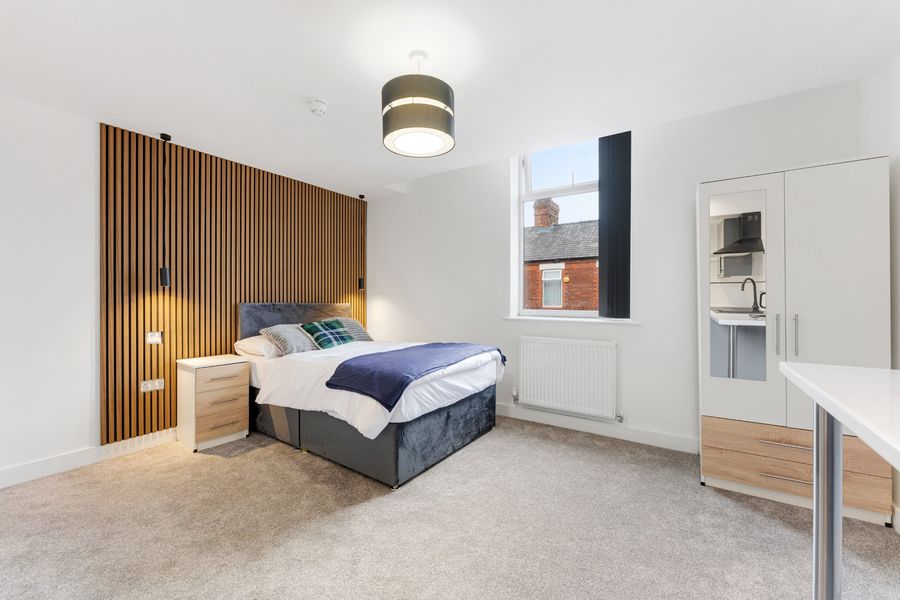
- Purchase
- £162,000
- Total project cost
- £340,050
- Valuation
- £485,000
- Money left in
- £0
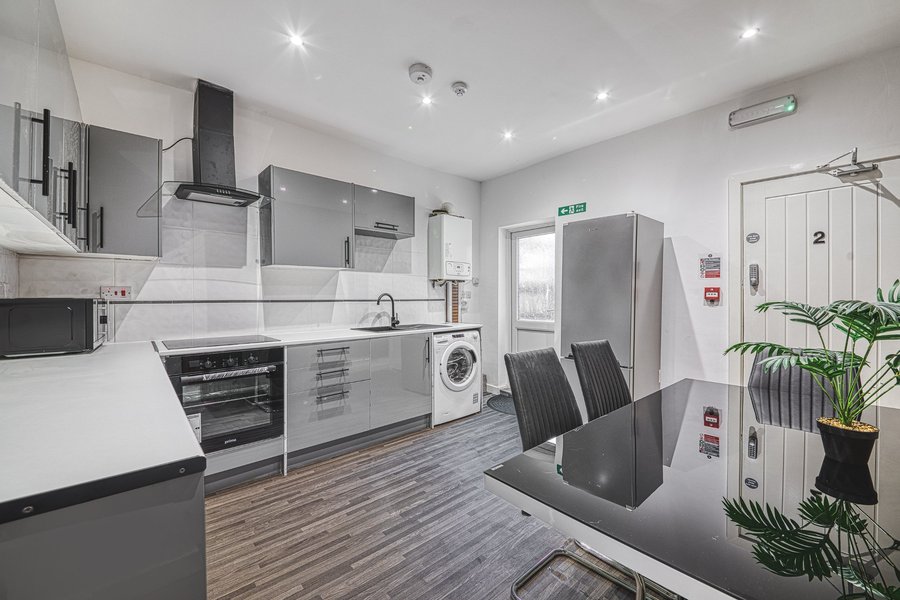
- Purchase
- £190,000
- Total project cost
- £368,050
- Valuation
- £450,000
- Return on capital
- 70.5%
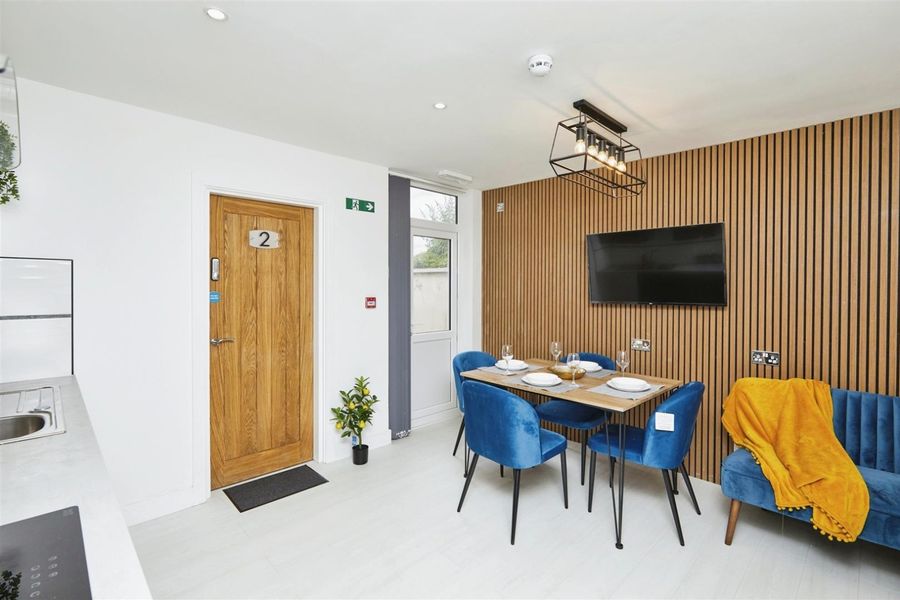
- Purchase
- £169,950
- Valuation
- £450,000
- Money in
- £10,500
- Return on money in
- 185%
Questions
The things people ask
Do I own the property outright?
Yes. The property is purchased in your name or your company's name, with your solicitor and your lender. We source it and manage the project, but the title is yours and we never hold your money. There's no joint venture or equity share unless that's specifically what you've come to us for.
How much capital do I need?
Two different numbers matter here — what you need to start, and what stays in the deal once it's finished.
To start an HMO conversion — £60,000 to £100,000 using bridging, covering the deposit, fees and the first stage of the refurbishment. Buying outright instead means funding the whole project, typically £370,000 to £410,000.
Left in after refinance — across our recent conversions, between £10,500 and £42,550, and on one the refinance returned more than the full project cost. The commercial valuation on a completed HMO is what releases your capital, which is the point of the model.
Buy-to-let — £25,000 to £40,000 per property including deposit, fees and sourcing fee. There's no refurbishment or refinance stage, so that figure is both what you put in and what stays in.
What are your fees?
HMO conversions — £15,000 sourcing plus £15,000 project management. £5,000 of the sourcing fee is payable upfront to engage us to search against your brief; the remaining £10,000 falls due at completion.
Buy-to-let — £5,000 per property. Nothing is payable until we've shown you a property. A £2,500 reservation fee holds it while you carry out due diligence and comes off the total, with the balance due at completion.
How long before it produces income?
An HMO conversion runs about seven months from accepted offer to tenanted and refinanced — roughly two months to complete the purchase, fourteen weeks on site, then letting and refinance.
A buy-to-let is quicker, since it's bought with vacant possession and can be let as soon as it completes.
What happens if the refurbishment overruns?
Most of what inflates a refurbishment budget comes down to how well the building was understood at the outset. Every project goes through full due diligence before anyone commits — the condition of the building is properly assessed, and the refurbishment figure you're shown comes from a priced schedule of works rather than an estimate.
Where something genuinely unforeseen does arise, it's agreed with you in writing before it's spent. You see spend tracked against budget every week, so if a project is drifting you know while it's happening rather than at the end.
We take no margin on materials or labour. Our fee is fixed at the outset, so a project costing more earns us nothing — our interests and yours point the same way.
What if the valuation comes in lower than projected?
The figures we show you are deliberately conservative. We would rather a valuation move up than down, so the end value in a projection assumes a cautious yield rather than the strongest one we have achieved.
A converted HMO is also valued on its income rather than on what the house next door sold for — annual rent against a yield. That is a function of what the conversion produces: by the time the works complete, the building is no longer a three-bed house. Every room is self-contained with its own shower room, so there is no single-dwelling comparable to measure it against and income becomes the basis of the valuation. That makes the end figure largely calculable before the works start, and by the time the valuer attends, the rent roll is evidenced by signed tenancies rather than projected. On our own completed conversions the valuation has come in at or above the figure we underwrote.
If one did come in under, the rent roll is unchanged, so the debt remains comfortably covered. What changes is the size of the drawdown — slightly less capital comes out and slightly more stays in the deal. That compresses the return rather than breaking it, and the alternative is always to hold, let the rent roll mature, and revalue later.
Do I need to be based nearby?
No. We run a portfolio spread across Scotland and the north of England, so the systems for managing property at a distance exist because we rely on them ourselves.
Before you commit you get the full deal pack — photographs, the priced schedule of works, the figures and a video walkthrough of the finished product. Afterwards, if we manage it, nothing in the process needs you on site. You're welcome to visit and most people do at some point, but it isn't a requirement of investing.
Thinking about an HMO conversion?
Tell us your budget, where you would consider, whether you are buying with cash or bridging, and your timescale. We will tell you what is achievable — and show you the five we have done.
Get in touch