Services · Joint ventures
Joint ventures: your capital, our deal and delivery.
Blocks of flats, HMO conversions and commercial-to-residential, structured project by project. Over £2m joint ventured to date.
A joint venture with us is simple in shape: a partner funds the purchase and the works, we find the deal, run the project and manage the asset afterwards, and the return is split on terms agreed before any money moves. There is no standing fund and no pooling — each project stands on its own.
The two blocks of flats on this site are both joint ventures bought at auction: twenty self-contained flats between them, acquired freehold and fully let for a combined £724,000, now producing over £150,000 a year in rent. Finding the lot, reviewing the legal pack, arranging the funding and bidding on the day — we ran all of it.
The same structure works for an HMO conversion or a commercial-to-residential scheme. What a partner gets is full visibility: costs, timeline and exit laid out at the start, and spend tracked against budget every week while the project runs.
What's included
- Blocks of flats, HMO conversions and commercial-to-residential
- Auction purchases, including two fully let blocks bought under the hammer
- Terms agreed per project and documented before any money moves
- Full visibility on costs, timeline and exit from the outset
- Letting and management of the finished asset by our own team
- Seven joint-venture projects completed to date
Where we work
Across the UK — each project bought where the deal was, not where we happened to be. The same applies to the next one.
Examples
What it looks like done
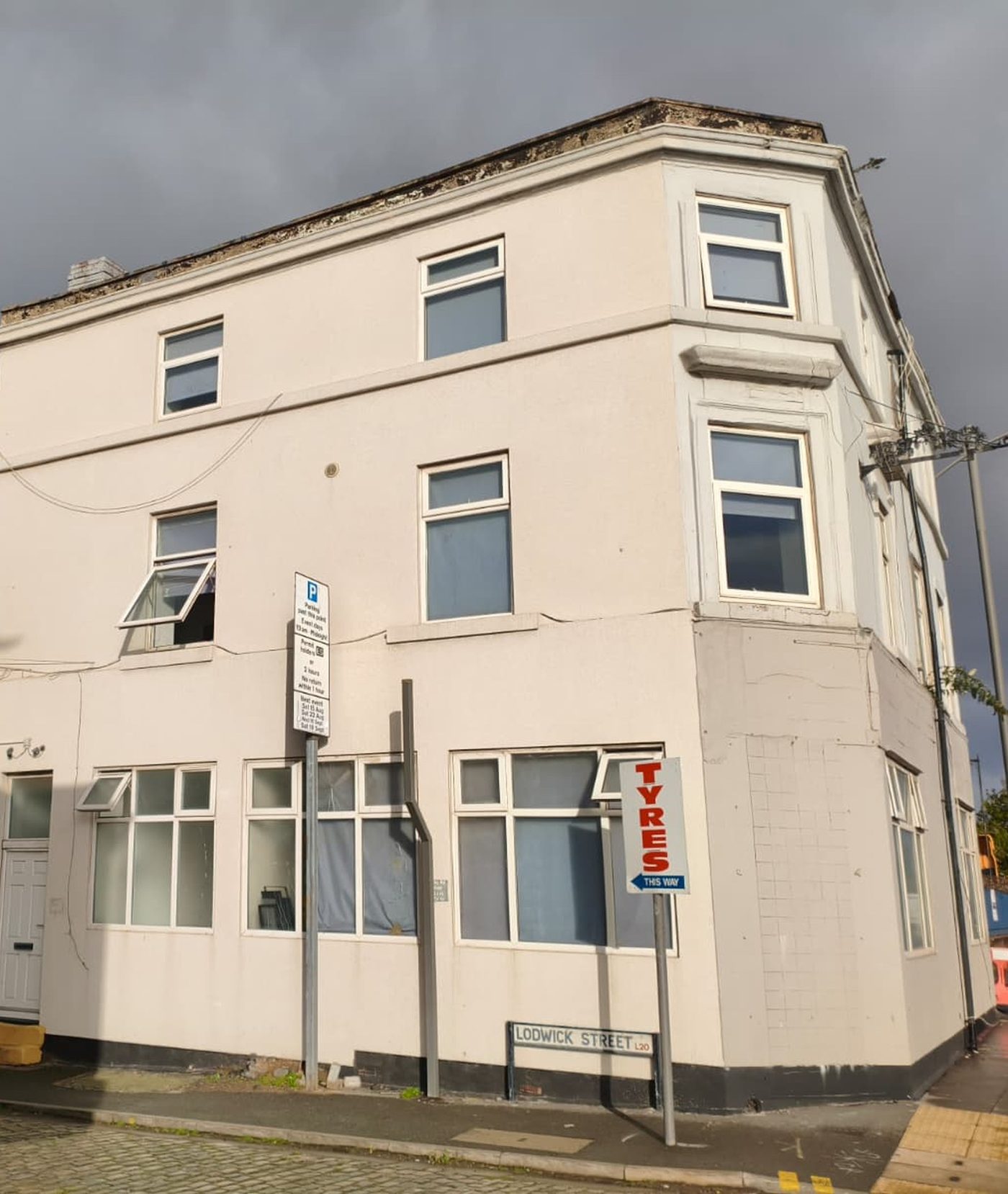
- Purchase at auction
- £345,000
- Price per unit
- £28,750
- Annual rent
- £90,660
- Gross yield
- 26.3%
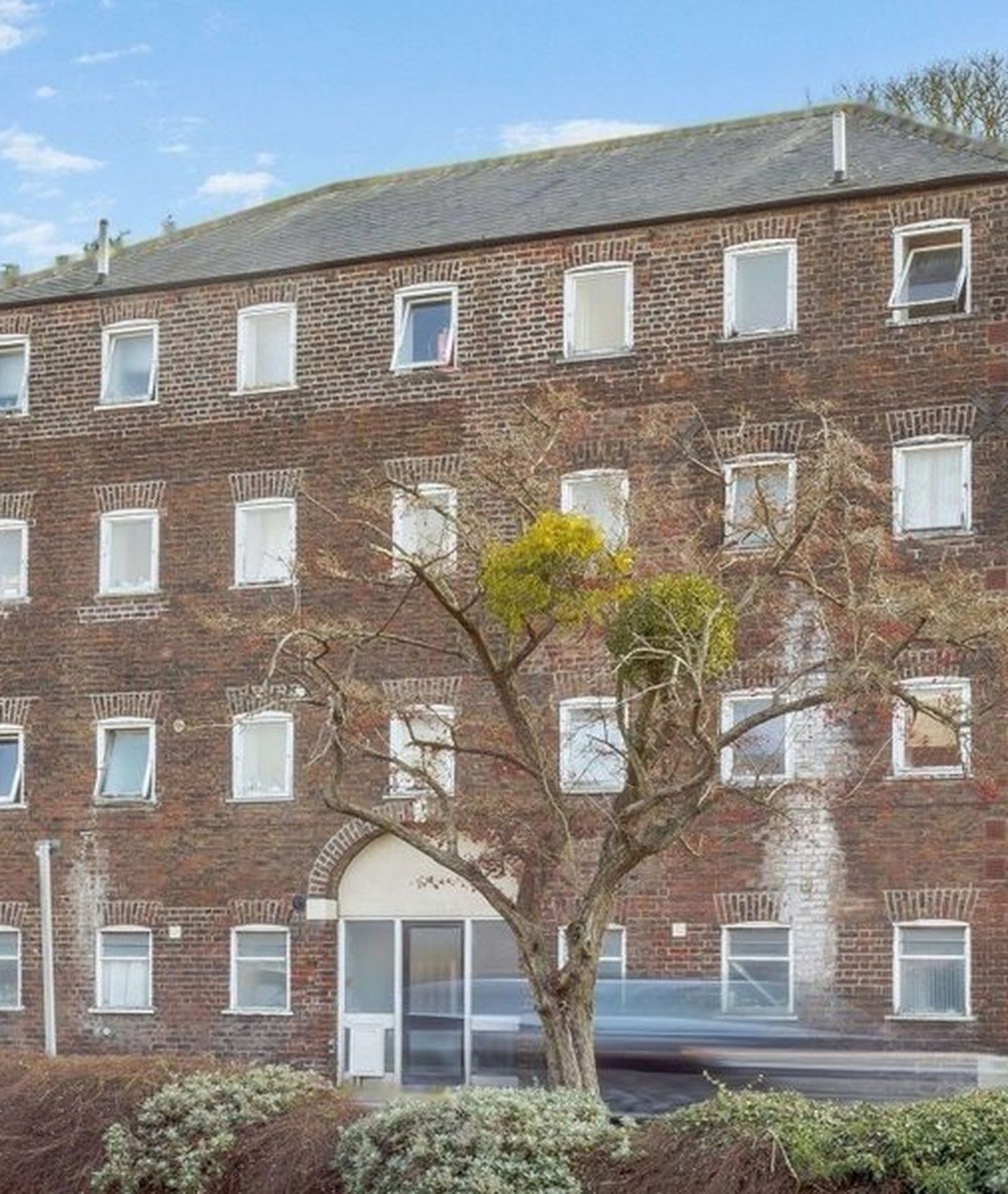
- Purchase at auction
- £379,000
- Price per unit
- £47,375
- Annual rent
- £61,620
- Gross yield
- 16.3%
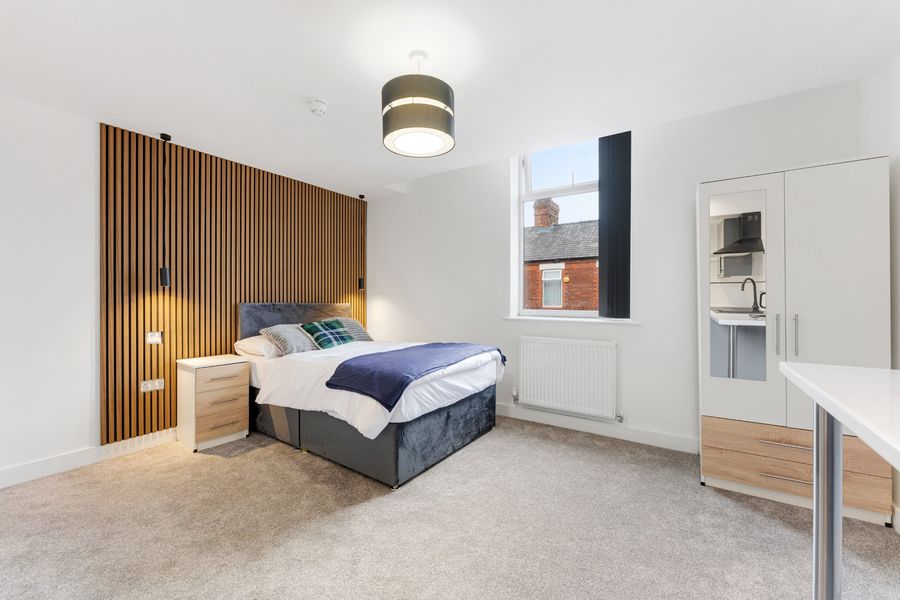
- Purchase
- £162,000
- Valuation
- £485,000
- Money left in
- £0
- Net per month
- £2,075
Questions
The things people ask
How much capital do I need?
Two different numbers matter here — what you need to start, and what stays in the deal once it's finished.
To start an HMO conversion — £60,000 to £100,000 using bridging, covering the deposit, fees and the first stage of the refurbishment. Buying outright instead means funding the whole project, typically £370,000 to £410,000.
Left in after refinance — across our recent conversions, between £10,500 and £42,550, and on one the refinance returned more than the full project cost. The commercial valuation on a completed HMO is what releases your capital, which is the point of the model.
Buy-to-let — £25,000 to £40,000 per property including deposit, fees and sourcing fee. There's no refurbishment or refinance stage, so that figure is both what you put in and what stays in.
What happens if the refurbishment overruns?
Most of what inflates a refurbishment budget comes down to how well the building was understood at the outset. Every project goes through full due diligence before anyone commits — the condition of the building is properly assessed, and the refurbishment figure you're shown comes from a priced schedule of works rather than an estimate.
Where something genuinely unforeseen does arise, it's agreed with you in writing before it's spent. You see spend tracked against budget every week, so if a project is drifting you know while it's happening rather than at the end.
We take no margin on materials or labour. Our fee is fixed at the outset, so a project costing more earns us nothing — our interests and yours point the same way.
What if the valuation comes in lower than projected?
The figures we show you are deliberately conservative. We would rather a valuation move up than down, so the end value in a projection assumes a cautious yield rather than the strongest one we have achieved.
A converted HMO is also valued on its income rather than on what the house next door sold for — annual rent against a yield. That is a function of what the conversion produces: by the time the works complete, the building is no longer a three-bed house. Every room is self-contained with its own shower room, so there is no single-dwelling comparable to measure it against and income becomes the basis of the valuation. That makes the end figure largely calculable before the works start, and by the time the valuer attends, the rent roll is evidenced by signed tenancies rather than projected. On our own completed conversions the valuation has come in at or above the figure we underwrote.
If one did come in under, the rent roll is unchanged, so the debt remains comfortably covered. What changes is the size of the drawdown — slightly less capital comes out and slightly more stays in the deal. That compresses the return rather than breaking it, and the alternative is always to hold, let the rent roll mature, and revalue later.
Can I invest through a company?
Yes, and it is what we do ourselves — every property we hold sits in a limited company. It is what we would suggest for most investors.
The reason is interest relief. A company deducts mortgage interest in full before tax, where an individual's relief is capped at a basic-rate credit — which leaves higher-rate taxpayers paying tax on income they have not kept. On a leveraged HMO that difference compounds every year. Profit you retain and reinvest is not taxed personally at all, and shareholdings divide ownership cleanly on joint ventures.
The trade-offs: company borrowing costs slightly more, the additional dwellings stamp duty surcharge applies from the first property, and drawing profit out personally is taxed again. It suits building a portfolio more than taking an income from one deal. Your accountant should confirm what fits your position.
Do I need to be based nearby?
No. We run a portfolio spread across Scotland and the north of England, so the systems for managing property at a distance exist because we rely on them ourselves.
Before you commit you get the full deal pack — photographs, the priced schedule of works, the figures and a video walkthrough of the finished product. Afterwards, if we manage it, nothing in the process needs you on site. You're welcome to visit and most people do at some point, but it isn't a requirement of investing.
Have capital and want a partner who does the work?
Tell us the size of project you have in mind and your timescale. We will show you what we have done on the same basis and what the next one could look like.
Get in touch